Wryneck part two.

After yesterday i thought i’d try again at getting close to the Wryneck at Newport wetlands , Nothing ventured – Nothing gained !

After a sweaty route march to the same area close to Salt marsh Lane i got into position along with one or two others , the wryneck was working its way along the edge of the path slowly moving further away from our position – its always the same ! after an hour the others left and the Wryneck flitted into some trees near the path , appearing later on in the Hawthorn right next to me , Result ! Not knowing if i should wait for it to land on the path or just take my chances with it in the tree , i went for the tree option hoping it didn’t disappear while i move the lens around. as it was after these shots it moved further up the path,  Phew !!IMG_8314 IMG_8317 IMG_8331 IMG_8337
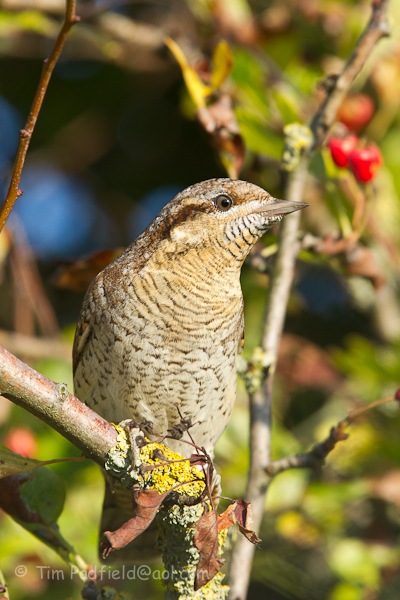
Wryneck at Newport Wetlands

IMG_8223On the spur of the moment , i grabbed the camera and went down to the Newport Wetlands Center , at 4-30 pm the place was deserted with only two other peaple to be seen , the amount of Dragonflies there was amazing , i don’t think i’ve seen so many in years.

Bird life was a bit slow but on walking from the East hide along the shore line path a Wryneck was searching for food along the margins of the path in front of me , it was the first time i’d ever seen one ! i always thought they were bigger. Now i Know . It seemed unworried by my presence working its way along the path edge looking for insects , occasionally stopping to look at me , checking i wasn’t getting too close.

IMG_8283 IMG_8298IMG_8300 IMG_8301 IMG_8305

Over the last few years Caerphilly Countryside service have been running photographic walks in conjunction with Photographer Tim Collier  , The walk Last Sunday ( 18th ) was at Parc Cwm Darran near Deri ( not the one in Northern Ireland !! ) and the surrounding countryside , it was guided by Countryside Ranger James Bower who managed to bring back the same number of walkers that started in the morning !

I’ve driven most of the roads in that area but its not untill you get out and start walking that you realise how much you can’t see from the car window, Habitat ranged from the lake at the park through old oak woodland , open moor and old railway tracks now surfaced and part of the National Cycle path network. The buddleia on these pathways was alive with Butterflies , Large Whites , Peacock , Comma , and Red Admiral were to name a few.

IMG_7964

IMG_8010
James had warned the the two of them it was quite boggy !!


IMG_8048
Red Admiral
IMG_7987
Oak Woodland above the Park

Damselflies and Dragonflies

IMG_7672Back off holidays and back out with the camera, But what to do ?
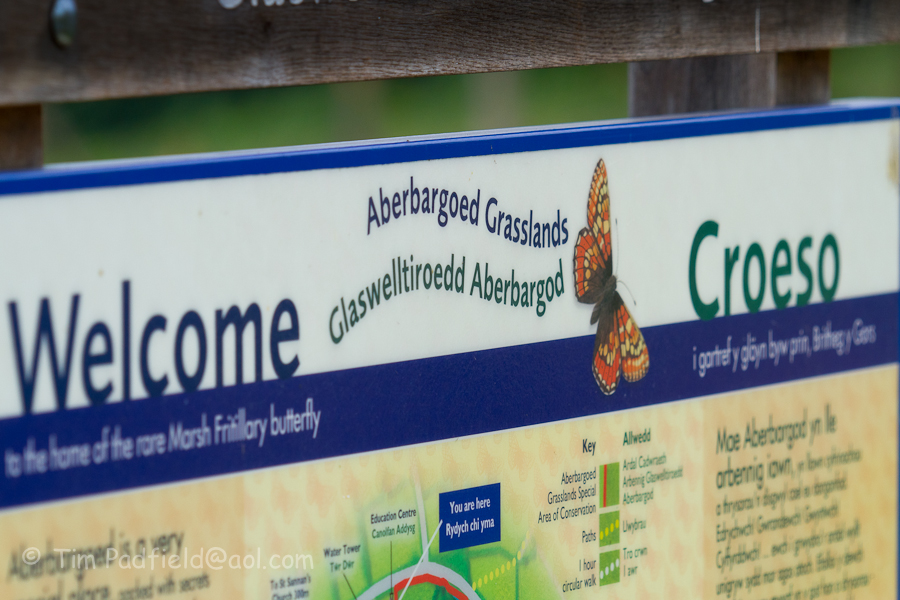
Back a few weeks ago i had been at the Aberbargoed grasslands , and i quote from the Caerphilly countryside website “Aberbargoed Grasslands is a National Nature Reserve Site of Special Scientific Interest (SSSI) and it is also protected as a site of European importance for the large population of Marsh Fritillary butterflies and its Purple Moor grass and rush pasture ” – so now you know !

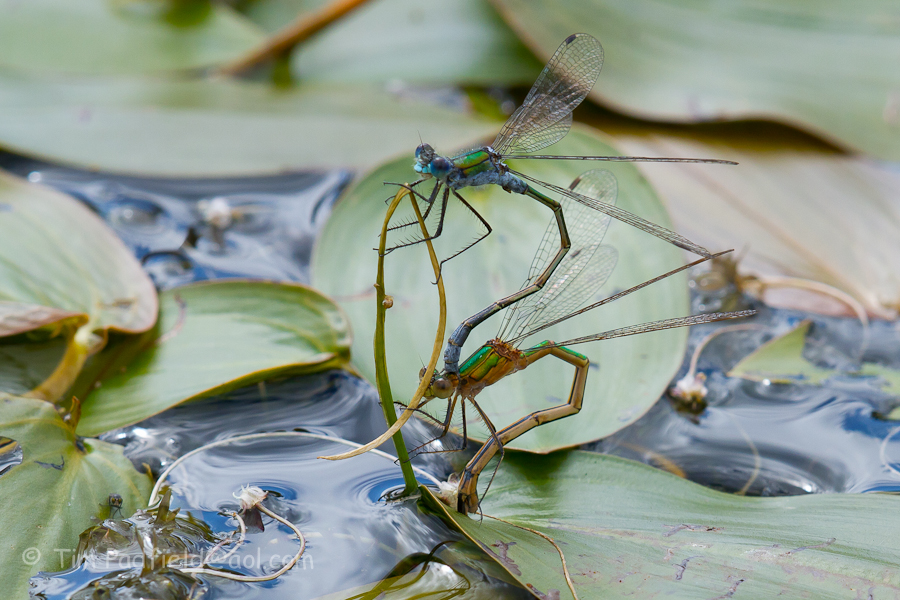
Near the main Education Centre , there’s a small pond and lately it’s been home to a lot of Dragonflies and Damsels, this i thought would be a good starting point, i found that after two trips there , the best day was the overcast one with patches of sun , the first day was hot and the damn things couldn’t keep still ! – a bit less sun calmed them down some what.

IMG_7595
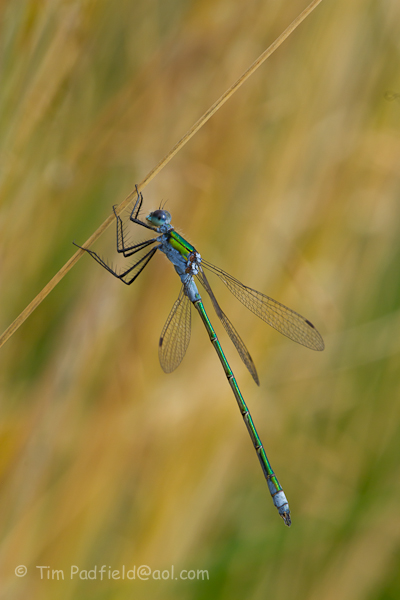
Scarce Emerald Damselfly , i may be wrong – probably
IMG_7625
Common Darter
IMG_7196
Blue-tailed Damselfly Male

IMG_7656

Wildlife on your doorstep

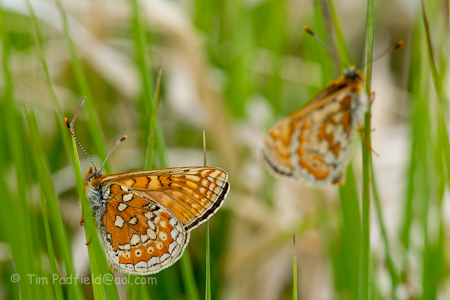
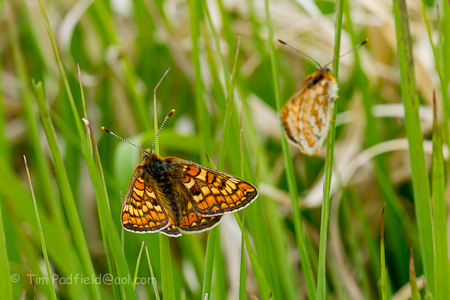
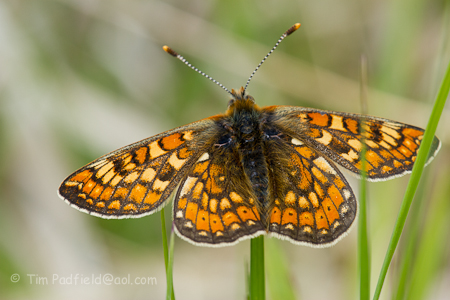
These are a few images of the Marsh Fritillary Butterfly taken a few weeks back when the sun was trying to come out.They were taken at Aberbargoed grasslands only a couple of hundred meters away from the town center .

This is an extract taken from UK Butterflies – ” Colonies of this butterfly are known to fluctuate wildly in numbers. It may be present in some numbers one year, for the population to crash the following year before recovering as unexpectedly. This species does not do well in adverse weather conditions and also suffers greatly from larval parasitism by an Apanteles species of wasp. Unfortunately, this charming butterfly is one of our most threatened species and has suffered severe declines in recent decades.” http://www.ukbutterflies.co.uk

With conditions as they are this year it will be interesting to see how they do.

IMG_6936 IMG_6943 IMG_6961